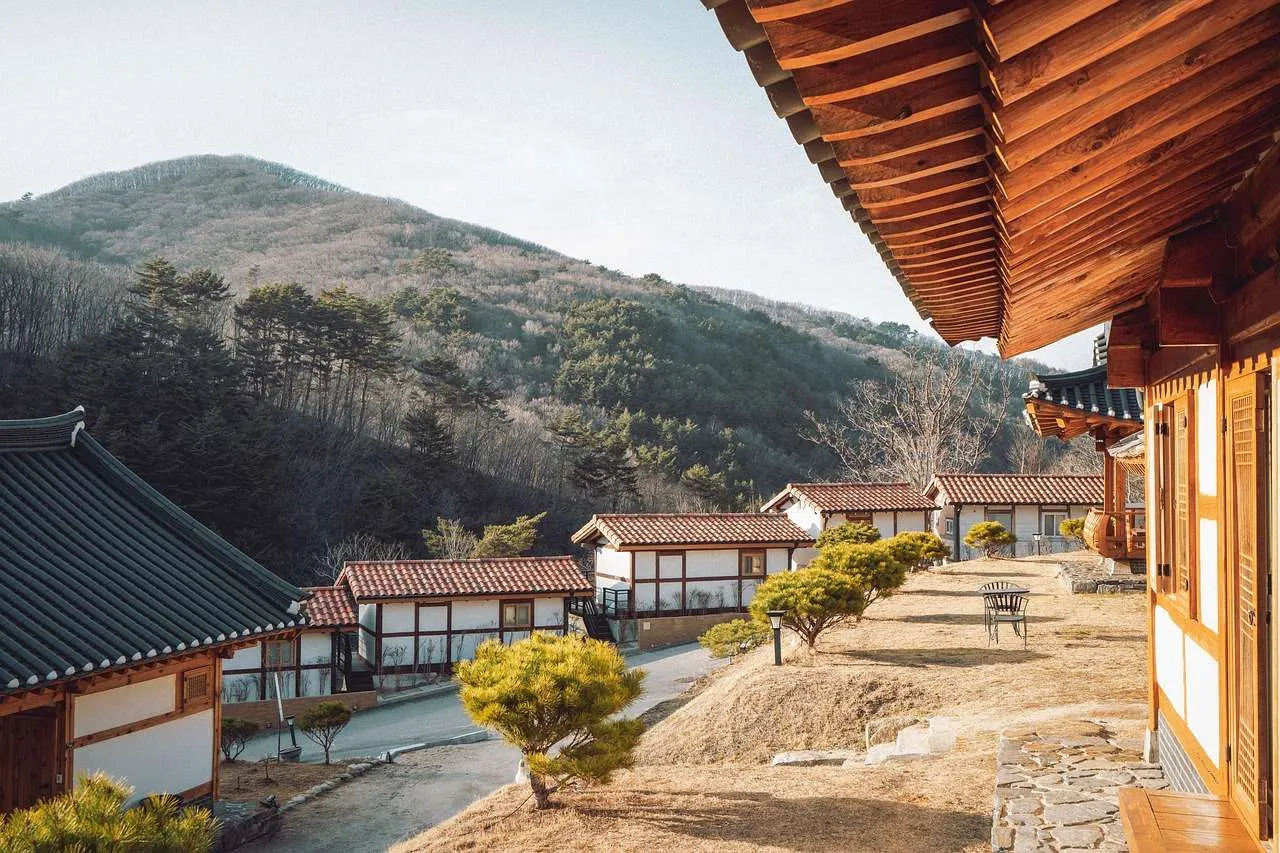
Overview of the repair of roofing
Damaged roofing can threaten your home’s comfort, energy efficiency, and value. This guide on repair of roofing explains how to identify issues, what techniques are used, and how to choose trusted professionals to ensure durable results. By understanding the process and costs, homeowners can make informed decisions that protect their investment.
Causes of roofing damage
Common factors include severe weather, aging materials, improper installation, and inadequate attic ventilation. Shingles wear out, flashing around chimneys and vents corrodes, and trapped moisture can lead to rot or mold. Regular exposure to sun and rain gradually deteriorates seals and underlayment, increasing the need for repair of roofing over time.
Signs you need repair of roofing
- Missing, curling, or cracked shingles
- Visible leaks or water stains on ceilings
- Granule loss in gutters or on the ground
- Peeling paint or damp spots in the attic
- Sagging sections or loose flashing around features
DIY vs professional repair
Small, easily accessible repairs may be attempted by experienced homeowners. However, roof work involves fall risk, ladder safety, and structural assessment. For most households, hiring a licensed contractor ensures proper diagnosis, code compliance, and warranty protection. Always verify licenses, insurance, and references before starting work.
Common repair techniques
Repair of roofing typically includes replacing damaged shingles, resealing flashing joints, and restoring underlayment. For persistent leaks, contractors inspect attic ventilation and insulation to identify hidden moisture sources. Temporary tarps or sealants can provide short term relief while scheduling a permanent fix. Each method aims to restore water tightness and prevent further damage without unnecessary disruption to the home.
Materials, costs, and planning
Costs vary by roof type, extent of damage, and labor rates. Minor shingle repairs can range from, approximately, 150 to 500 dollars, while more complex work such as flashing replacement or underlayment repair may run 300 to 1,200 dollars or more. Metal roofs, tile, and slate involve different pricing. A professional inspection yields a precise estimate, material requirements, and warranty options. Planning ahead with a written scope helps avoid scope creep and unexpected charges.
Safety considerations
Do not work on a roof in wet or windy conditions. Use fall protection, secure ladders, and wear non slip footwear. If you suspect structural damage, contact a roofing professional or structural engineer. Document conditions for insurance claims and follow local codes during any repair of roofing work.
Maintenance to prevent future issues
Regular inspections after storms, cleaning gutters, trimming overhanging branches, and ensuring attic vents are clear reduce leak risk. Address small issues promptly, reseal flashing when needed, and schedule professional inspections every few years depending on roof age and local climate. Proactive maintenance lowers long term costs and extends roof life.
Repair options vs replacement: a quick comparison
| Repair option | Typical scope | Pros | Cons | Typical cost range |
|---|---|---|---|---|
| Shingle repair | Replace damaged shingles or tabs | Low cost, fixes visible defects | May not address underlying issues | 150-500 |
| Flashing repair | Seal or replace metal flashing around chimneys, vents | Stops leaks at joints | Limited to flashing area | 300-1200 |
| Leak patch and sealant | Temporary patch on seams or small cracks | Fast relief | Temporary, not a long term fix | 100-350 |
| Underlayment repair | Replace damaged underlayment | Addresses moisture path properly | More invasive, longer downtime | 400-1000 |
These figures are general ranges. Local prices, roof type, and accessibility influence final quotes. A detailed estimate from a licensed contractor provides clarity on required materials, warranties, and scheduling.
Conclusion, addressing roof issues early protects your home, preserves energy efficiency, and ensures you work with qualified pros to keep the roof durable and leak-free.